Aesthetic Medicine Algarve

The Most Popular Aesthetic Treatments

The Most Popular Aesthetic Treatments and What They Are Used For Aesthetic medicine has become increasingly popular, offering effective solutions to improve appearance, prevent signs of ageing, and enhance confidence. Thanks to advances in non-surgical treatments, it is now possible to achieve natural-looking results with minimal downtime. But what are the most popular aesthetic treatments, and what are they actually used for? In this guide, we explain some of the most requested procedures and their benefits. What Is Aesthetic Medicine? Aesthetic medicine is a medical field focused on enhancing appearance through non-invasive or minimally invasive treatments. The goal is not to change who you are, but to: Enhance natural beauty Prevent and manage signs of ageing Improve skin quality and texture Boost confidence and wellbeing Modern aesthetic medicine focuses on subtle, personalised results that complement each individual’s natural features. 1. Botox® (Botulinum Toxin) Botox is one of the most widely performed aesthetic treatments worldwide. What Is It Used For? Softening forehead lines Reducing frown lines between the eyebrows Treating crow’s feet around the eyes Preventing the formation of deeper expression lines Creating a smoother, more refreshed appearance When administered correctly, Botox provides natural-looking rejuvenation while preserving facial expression. 2. Dermal Fillers (Hyaluronic Acid) Hyaluronic acid fillers are among the most versatile treatments in facial aesthetics. What Are They Used For? Restoring lost facial volume Softening wrinkles and folds Enhancing and defining the lips Improving facial contours Supporting overall facial harmony Hyaluronic acid naturally occurs in the body and helps maintain hydration and volume within the skin. 3. Deep Skin Cleansing Treatments Professional skin cleansing treatments help maintain healthy, balanced skin and are suitable for most skin types. What Are They Used For? Removing impurities and excess oil Clearing clogged pores Reducing blackheads Improving skin texture Supporting acne prevention Regular treatments can help keep the skin fresh, healthy, and radiant. 4. Chemical Peels Chemical peels promote controlled skin renewal and exfoliation. What Are They Used For? Improving uneven skin tone Reducing pigmentation and sun damage Softening fine lines Treating acne and acne scars Enhancing skin brightness and texture Peels are commonly used as part of facial rejuvenation programmes. 5. Skin Hydration and Rejuvenation Treatments Treatments such as skin boosters and mesotherapy focus on improving skin quality from within. What Are They Used For? Deep hydration Improving skin elasticity Restoring radiance Enhancing skin texture Preventing premature ageing These treatments are particularly popular for patients seeking subtle, natural improvements. 6. Pigmentation and Dark Spot Treatments Uneven pigmentation is one of the most common aesthetic concerns. What Are They Used For? Reducing sunspots and age spots Improving overall skin tone Treating hyperpigmentation Enhancing skin clarity Treatment options may include chemical peels, laser procedures, medical skincare, and other advanced techniques. 7. Skin Tightening and Anti-Sagging Treatments Loss of skin firmness is a natural part of ageing. What Are They Used For? Stimulating collagen production Improving skin elasticity Reducing skin laxity Enhancing facial definition Supporting long-term skin rejuvenation Many modern treatments achieve these results without surgery or significant downtime. How Do You Choose the Right Treatment? The most suitable treatment depends on your individual concerns, skin condition, and aesthetic goals. A professional assessment should consider: Skin type and quality Ageing concerns Medical history Desired outcomes Lifestyle factors A personalised treatment plan is the safest and most effective way to achieve natural-looking results. Where Can You Have Aesthetic Treatments? At Family Medical Centre & Antiaging Clinic, we offer a comprehensive range of aesthetic medicine treatments tailored to each patient’s needs. Our experienced medical team focuses on safety, personalised care, and natural-looking results that enhance your confidence while preserving your unique appearance. Conclusion Today’s most popular aesthetic treatments offer effective solutions for improving skin quality, reducing signs of ageing, and enhancing natural beauty. With expert guidance and a personalised approach, it is possible to achieve refreshed, balanced, and natural-looking results that support both appearance and confidence. Book a consultation today and discover which aesthetic treatment is best suited to your goals.

The Most Popular Aesthetic Treatments Read More »
Skin Care After 60

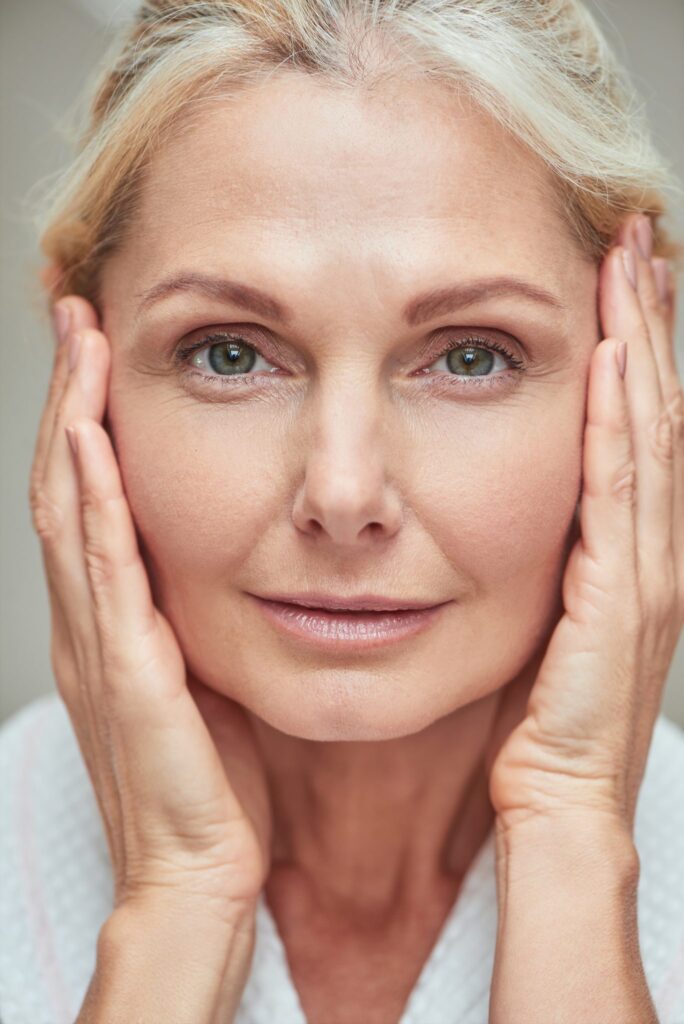
Skin Care After 60: How to Maintain Healthy, Radiant Skin As we age, our skin naturally changes and requires more targeted care. After the age of 60, many people notice increased dryness, reduced firmness, and the appearance of deeper wrinkles. While these changes are a normal part of ageing, adopting the right skincare routine can help maintain healthy, comfortable, and radiant skin for years to come. Why Does Skin Change After 60? The natural ageing process leads to a gradual decline in collagen, elastin, and the skin’s natural oil production. As a result, the skin becomes thinner, less elastic, and more prone to dryness. These changes can make wrinkles more noticeable and may increase skin sensitivity, highlighting the importance of a skincare routine specifically designed for mature skin. 1. Prioritise Deep Hydration Hydration becomes increasingly important as the skin ages. Look for moisturisers containing ingredients such as hyaluronic acid, ceramides, and glycerin. These ingredients help replenish moisture, strengthen the skin barrier, and improve overall comfort and softness. Applying a rich moisturiser daily can significantly improve the appearance and feel of mature skin. 2. Protect Your Skin from the Sun Every Day Sun exposure remains one of the leading causes of premature skin ageing and pigmentation issues, regardless of age. Daily use of a broad-spectrum sunscreen with SPF 30 or higher is essential. Even on cloudy days, UV rays can contribute to skin damage and accelerate visible signs of ageing. Consistent sun protection helps preserve skin health and supports a more even complexion. 3. Choose Gentle Cleansing Products Mature skin can be more delicate and susceptible to irritation. Avoid harsh cleansers that strip the skin of its natural oils. Instead, opt for gentle, hydrating cleansers with alcohol-free formulations and cream or oil-based textures. A gentle cleansing routine helps maintain the skin’s natural balance while preparing it for moisturisers and treatment products. 4. Support Natural Collagen Production Collagen levels decrease significantly with age, contributing to loss of firmness and skin laxity. Products containing retinol, peptides, and antioxidants such as Vitamin C may help support skin renewal and improve texture. Professional aesthetic medicine treatments can also help stimulate collagen production and enhance skin quality. A personalised approach is often the most effective way to address age-related skin concerns. 5. Monitor Skin Changes Regularly Ageing skin is more likely to develop pigmentation changes, age spots, and other visible alterations. It is important to monitor any new marks, changes in existing moles, or unusual skin lesions. Regular dermatological assessments can help identify potential concerns early and ensure appropriate management. Early detection plays an important role in maintaining both skin health and overall wellbeing. 6. Nourish Your Skin from Within Healthy skin is influenced not only by external skincare but also by lifestyle habits. Staying well hydrated, consuming antioxidant-rich foods, and incorporating healthy fats such as olive oil, nuts, seeds, and oily fish can support skin function and appearance. A balanced diet contributes to healthier, more resilient skin at any age. 7. Consider Professional Treatments for Mature Skin Professional skincare and aesthetic medicine treatments can complement a daily skincare routine and address specific concerns more effectively. Options may include intensive hydration treatments, skin rejuvenation procedures, non-surgical facial treatments, and personalised skincare programmes tailored to mature skin. At Family Medical Centre & Antiaging Clinic, we offer customised treatment plans designed to support healthy ageing and natural-looking results. Conclusion Looking after your skin after the age of 60 is about more than appearance—it is an important part of maintaining comfort, confidence, and overall skin health. With the right combination of daily skincare, sun protection, healthy lifestyle habits, and professional guidance, mature skin can remain healthy, radiant, and well cared for. If you would like personalised advice, schedule a consultation with our team and discover the most suitable skincare solutions for your individual needs.

Skin Care After 60 Read More »

7 Botox Myths: What You Really Need to Know

Botox is one of the most popular aesthetic medicine treatments worldwide, yet it remains surrounded by misconceptions and misinformation. If you are considering Botox treatment, it is important to separate fact from fiction. In this article, we debunk seven common myths about Botox to help you make an informed and confident decision. 1. “Botox Leaves Your Face Expressionless” This is one of the most common misconceptions. When administered by a qualified aesthetic medicine professional, Botox does not eliminate natural facial expressions—it simply relaxes specific muscles responsible for dynamic wrinkles. The goal is to achieve a refreshed, natural-looking appearance while preserving your unique facial expressions. 2. “Botox Is Dangerous” Botox (botulinum toxin) is a safe and well-established treatment when performed by experienced medical professionals. It has been used for decades not only in aesthetic medicine but also in various medical specialties, including neurology and ophthalmology. The main risks are associated with inappropriate administration or treatment performed without proper medical supervision. 3. “Botox Is Only for Older People” Increasingly, younger adults are choosing Botox as a preventive treatment. Early intervention can help reduce the formation of deep expression lines, making preventive Botox popular among patients in their late twenties and thirties. Preventive aesthetic treatments are now a growing trend in facial rejuvenation. 4. “Botox Results Are Permanent” Botox is not a permanent treatment. The effects typically last between four and six months, depending on the individual, lifestyle factors, and treatment area. After this period, muscle activity gradually returns, and lines may slowly reappear. 5. “Once You Start Botox, You Can’t Stop” This is another widespread myth. If you decide to stop having Botox treatments, your face will gradually return to its natural appearance. It will not become worse than before treatment. In some cases, regular treatments may even help slow the progression of certain wrinkles over time. 6. “Botox Completely Changes Your Appearance” When properly administered, Botox does not transform your face—it enhances your natural appearance. Modern aesthetic medicine focuses on subtle improvements that maintain facial harmony and authenticity. Overdone or unnatural results are typically associated with poor treatment planning or inexperienced practitioners. 7. “Botox Is Only Used for Wrinkles” Although best known for reducing facial wrinkles, Botox has a wide range of medical and aesthetic applications, including: Treatment of excessive sweating (hyperhidrosis) Management of bruxism (teeth grinding) Correction of a gummy smile Relief of chronic migraines Reduction of muscle tension in specific areas Its versatility makes Botox one of the most widely used treatments in both aesthetics and medicine. Botox: Knowledge Is Key Before undergoing any aesthetic procedure, it is essential to seek advice from qualified medical professionals and choose a reputable aesthetic medicine clinic. At Family Medical Centre & Antiaging Clinic, we offer personalised Botox treatments tailored to each patient’s needs, with a strong focus on safety, natural-looking results, and patient wellbeing. Conclusion Botox is a highly effective treatment for both the prevention and management of signs of ageing. However, success depends on accurate information, realistic expectations, and expert medical guidance. If you are considering Botox treatment, book a consultation and discover the most suitable approach for your individual goals.

7 Botox Myths: What You Really Need to Know Read More »