Botox is one of the most popular aesthetic medicine treatments worldwide, yet it remains surrounded by misconceptions and misinformation.
If you are considering Botox treatment, it is important to separate fact from fiction. In this article, we debunk seven common myths about Botox to help you make an informed and confident decision.
1. “Botox Leaves Your Face Expressionless”
This is one of the most common misconceptions.
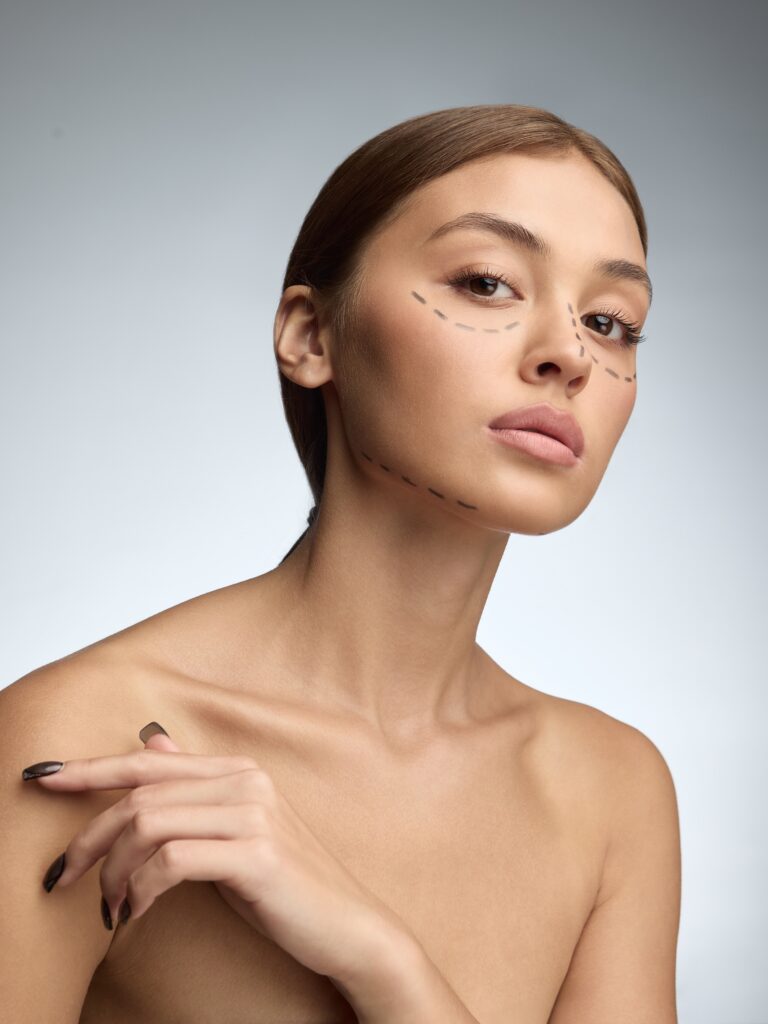
When administered by a qualified aesthetic medicine professional, Botox does not eliminate natural facial expressions—it simply relaxes specific muscles responsible for dynamic wrinkles.
The goal is to achieve a refreshed, natural-looking appearance while preserving your unique facial expressions.
2. “Botox Is Dangerous”
Botox (botulinum toxin) is a safe and well-established treatment when performed by experienced medical professionals.
It has been used for decades not only in aesthetic medicine but also in various medical specialties, including neurology and ophthalmology.
The main risks are associated with inappropriate administration or treatment performed without proper medical supervision.
3. “Botox Is Only for Older People”
Increasingly, younger adults are choosing Botox as a preventive treatment.
Early intervention can help reduce the formation of deep expression lines, making preventive Botox popular among patients in their late twenties and thirties.
Preventive aesthetic treatments are now a growing trend in facial rejuvenation.
4. “Botox Results Are Permanent”
Botox is not a permanent treatment.
The effects typically last between four and six months, depending on the individual, lifestyle factors, and treatment area.
After this period, muscle activity gradually returns, and lines may slowly reappear.
5. “Once You Start Botox, You Can’t Stop”
This is another widespread myth.
If you decide to stop having Botox treatments, your face will gradually return to its natural appearance. It will not become worse than before treatment.
In some cases, regular treatments may even help slow the progression of certain wrinkles over time.
6. “Botox Completely Changes Your Appearance”
When properly administered, Botox does not transform your face—it enhances your natural appearance.
Modern aesthetic medicine focuses on subtle improvements that maintain facial harmony and authenticity.
Overdone or unnatural results are typically associated with poor treatment planning or inexperienced practitioners.
7. “Botox Is Only Used for Wrinkles”
Although best known for reducing facial wrinkles, Botox has a wide range of medical and aesthetic applications, including:
- Treatment of excessive sweating (hyperhidrosis)
- Management of bruxism (teeth grinding)
- Correction of a gummy smile
- Relief of chronic migraines
- Reduction of muscle tension in specific areas
Its versatility makes Botox one of the most widely used treatments in both aesthetics and medicine.
Botox: Knowledge Is Key
Before undergoing any aesthetic procedure, it is essential to seek advice from qualified medical professionals and choose a reputable aesthetic medicine clinic.
At Family Medical Centre & Antiaging Clinic, we offer personalised Botox treatments tailored to each patient’s needs, with a strong focus on safety, natural-looking results, and patient wellbeing.
Conclusion
Botox is a highly effective treatment for both the prevention and management of signs of ageing. However, success depends on accurate information, realistic expectations, and expert medical guidance.
If you are considering Botox treatment, book a consultation and discover the most suitable approach for your individual goals.