Dangerous Skin Moles and Lesions: How to Identify Warning Signs
Your skin is the largest organ in the body and can provide important clues about your overall health. While most moles, marks, and skin lesions are harmless, some changes may indicate more serious conditions, including skin cancer.
Knowing how to recognise potentially dangerous skin changes is essential for early diagnosis and successful treatment.
Why Is It Important to Monitor Your Skin?
Most cases of skin cancer can be treated successfully when detected at an early stage.
Regular skin monitoring can help you:
- Identify suspicious changes early
- Detect skin lesions before they become more serious
- Improve treatment outcomes
- Reduce the risk of complications
- Maintain long-term skin health
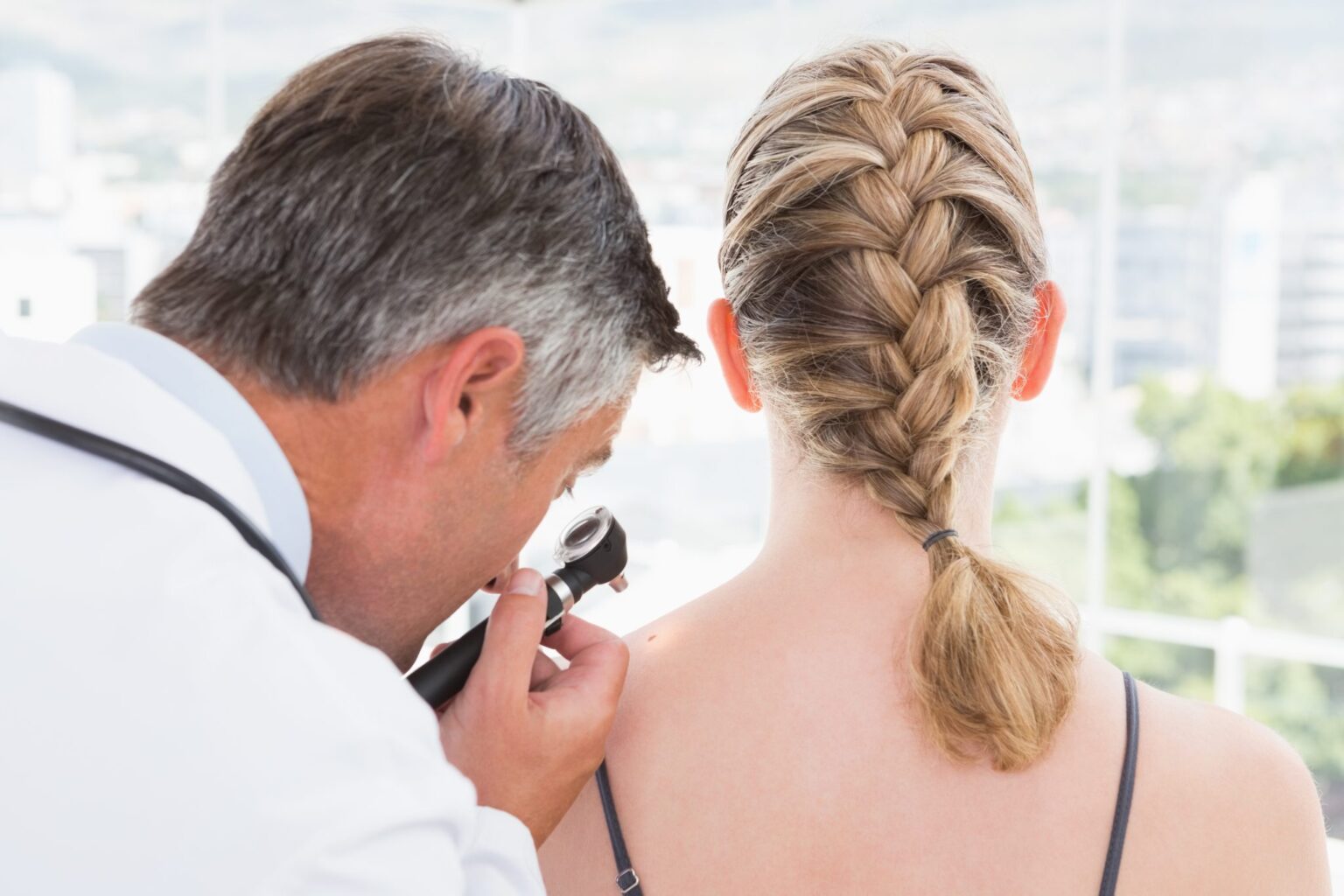
Routine skin examinations and dermatology consultations play an important role in prevention and early detection.
The ABCDE Rule: How to Assess a Mole
One of the most effective ways to evaluate a mole or pigmented lesion is by using the ABCDE rule, widely recommended by dermatologists.
A – Asymmetry
A healthy mole is usually symmetrical.
If one half looks different from the other, this may be a warning sign that requires further assessment.
B – Border
Pay attention to the edges of a mole.
Irregular, uneven, blurred, or poorly defined borders can sometimes indicate abnormal changes.
C – Colour
Most benign moles have a uniform colour.
A mole that contains multiple shades of brown, black, red, white, blue, or pink should be examined by a healthcare professional.
D – Diameter
Moles larger than 6 millimetres in diameter should be monitored carefully.
Although smaller lesions can also be concerning, size remains an important factor in skin assessment.
E – Evolution
Any noticeable change in a mole over time is one of the most significant warning signs.
Changes in size, shape, colour, elevation, or symptoms such as itching and bleeding should always be evaluated.
Other Skin Warning Signs Not to Ignore
In addition to the ABCDE rule, there are several other skin changes that may require medical attention.
These include:
- Wounds or sores that do not heal
- Spots that grow rapidly
- Moles or lesions that bleed easily
- Persistent crusting or scabbing
- Ongoing itching or irritation
- Sudden changes in the appearance of the skin
If you notice any of these symptoms, it is advisable to seek professional dermatological assessment.
Risk Factors for Skin Cancer
Certain individuals may have a higher risk of developing skin cancer or other skin conditions.
Common risk factors include:
- Excessive sun exposure
- History of sunburns
- Family history of skin cancer
- Fair or sensitive skin
- Frequent use of tanning beds
- Having a large number of moles
People with these risk factors should be particularly vigilant and consider regular skin examinations.
How Often Should You Have a Skin Examination?
Dermatologists generally recommend:
- Monthly self-examinations of the skin
- An annual dermatology consultation
- More frequent assessments for high-risk individuals
Regular monitoring allows potential concerns to be identified as early as possible.
When Should You See a Dermatologist?
You should arrange a dermatology consultation if:
- You notice a suspicious change in a mole or lesion
- A new mole appears and looks different from your existing moles
- A lesion becomes painful, itchy, or starts bleeding
- A wound does not heal properly
- You have concerns about any skin change
Early diagnosis can significantly improve treatment options and outcomes.
Where Can You Have a Skin Assessment?
At Family Medical Centre & Antiaging Clinic, we provide comprehensive dermatology consultations and skin assessments tailored to your individual needs.
Our experienced team can evaluate moles, skin lesions, pigmentation changes, and other dermatological concerns, helping you maintain healthy skin and peace of mind.
Conclusion
Recognising potentially dangerous skin changes is an essential part of skin cancer prevention and overall health maintenance.
Regular self-examinations, sun protection, and professional dermatological assessments can help detect problems early, when treatment is most effective.
If you notice any unusual changes in your skin, do not delay seeking medical advice. Early action can make all the difference.