
2 June 2026

The Most Popular Aesthetic Treatments

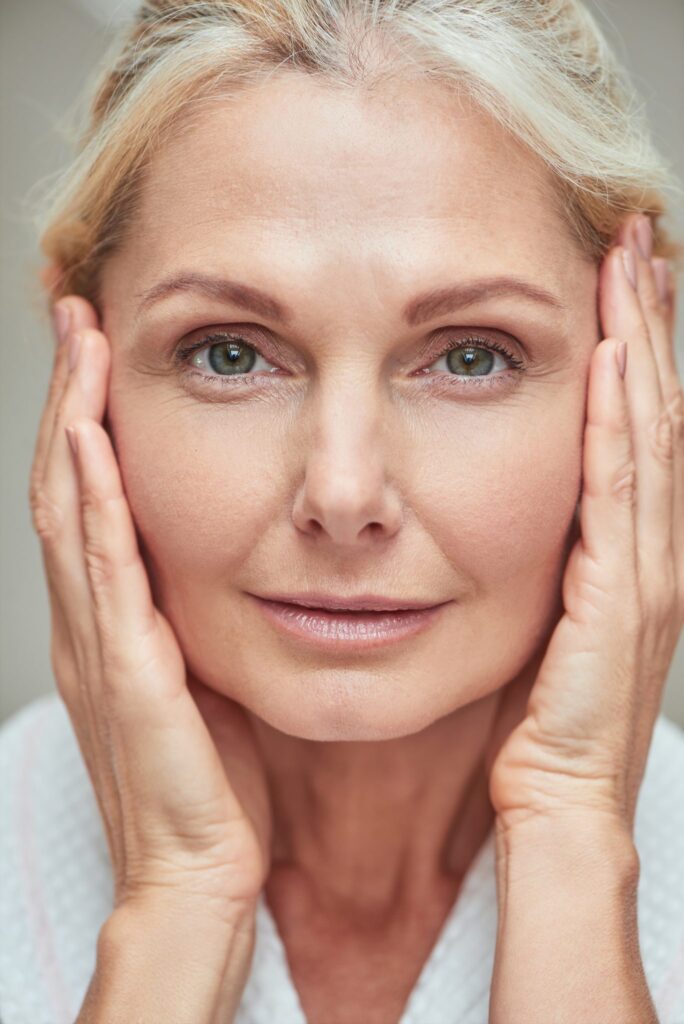
The Most Popular Aesthetic Treatments and What They Are Used For Aesthetic medicine has become increasingly popular, offering effective solutions to improve appearance, prevent signs of ageing, and enhance confidence. Thanks to advances in non-surgical treatments, it is now possible to achieve natural-looking results with minimal downtime. But what are the most popular aesthetic treatments, and what are they actually used for? In this guide, we explain some of the most requested procedures and their benefits. What Is Aesthetic Medicine? Aesthetic medicine is a medical field focused on enhancing appearance through non-invasive or minimally invasive treatments. The goal is not to change who you are, but to: Enhance natural beauty Prevent and manage signs of ageing Improve skin quality and texture Boost confidence and wellbeing Modern aesthetic medicine focuses on subtle, personalised results that complement each individual’s natural features. 1. Botox® (Botulinum Toxin) Botox is one of the most widely performed aesthetic treatments worldwide. What Is It Used For? Softening forehead lines Reducing frown lines between the eyebrows Treating crow’s feet around the eyes Preventing the formation of deeper expression lines Creating a smoother, more refreshed appearance When administered correctly, Botox provides natural-looking rejuvenation while preserving facial expression. 2. Dermal Fillers (Hyaluronic Acid) Hyaluronic acid fillers are among the most versatile treatments in facial aesthetics. What Are They Used For? Restoring lost facial volume Softening wrinkles and folds Enhancing and defining the lips Improving facial contours Supporting overall facial harmony Hyaluronic acid naturally occurs in the body and helps maintain hydration and volume within the skin. 3. Deep Skin Cleansing Treatments Professional skin cleansing treatments help maintain healthy, balanced skin and are suitable for most skin types. What Are They Used For? Removing impurities and excess oil Clearing clogged pores Reducing blackheads Improving skin texture Supporting acne prevention Regular treatments can help keep the skin fresh, healthy, and radiant. 4. Chemical Peels Chemical peels promote controlled skin renewal and exfoliation. What Are They Used For? Improving uneven skin tone Reducing pigmentation and sun damage Softening fine lines Treating acne and acne scars Enhancing skin brightness and texture Peels are commonly used as part of facial rejuvenation programmes. 5. Skin Hydration and Rejuvenation Treatments Treatments such as skin boosters and mesotherapy focus on improving skin quality from within. What Are They Used For? Deep hydration Improving skin elasticity Restoring radiance Enhancing skin texture Preventing premature ageing These treatments are particularly popular for patients seeking subtle, natural improvements. 6. Pigmentation and Dark Spot Treatments Uneven pigmentation is one of the most common aesthetic concerns. What Are They Used For? Reducing sunspots and age spots Improving overall skin tone Treating hyperpigmentation Enhancing skin clarity Treatment options may include chemical peels, laser procedures, medical skincare, and other advanced techniques. 7. Skin Tightening and Anti-Sagging Treatments Loss of skin firmness is a natural part of ageing. What Are They Used For? Stimulating collagen production Improving skin elasticity Reducing skin laxity Enhancing facial definition Supporting long-term skin rejuvenation Many modern treatments achieve these results without surgery or significant downtime. How Do You Choose the Right Treatment? The most suitable treatment depends on your individual concerns, skin condition, and aesthetic goals. A professional assessment should consider: Skin type and quality Ageing concerns Medical history Desired outcomes Lifestyle factors A personalised treatment plan is the safest and most effective way to achieve natural-looking results. Where Can You Have Aesthetic Treatments? At Family Medical Centre & Antiaging Clinic, we offer a comprehensive range of aesthetic medicine treatments tailored to each patient’s needs. Our experienced medical team focuses on safety, personalised care, and natural-looking results that enhance your confidence while preserving your unique appearance. Conclusion Today’s most popular aesthetic treatments offer effective solutions for improving skin quality, reducing signs of ageing, and enhancing natural beauty. With expert guidance and a personalised approach, it is possible to achieve refreshed, balanced, and natural-looking results that support both appearance and confidence. Book a consultation today and discover which aesthetic treatment is best suited to your goals.

The Most Popular Aesthetic Treatments Read More »
Travel Vaccinations by Destination

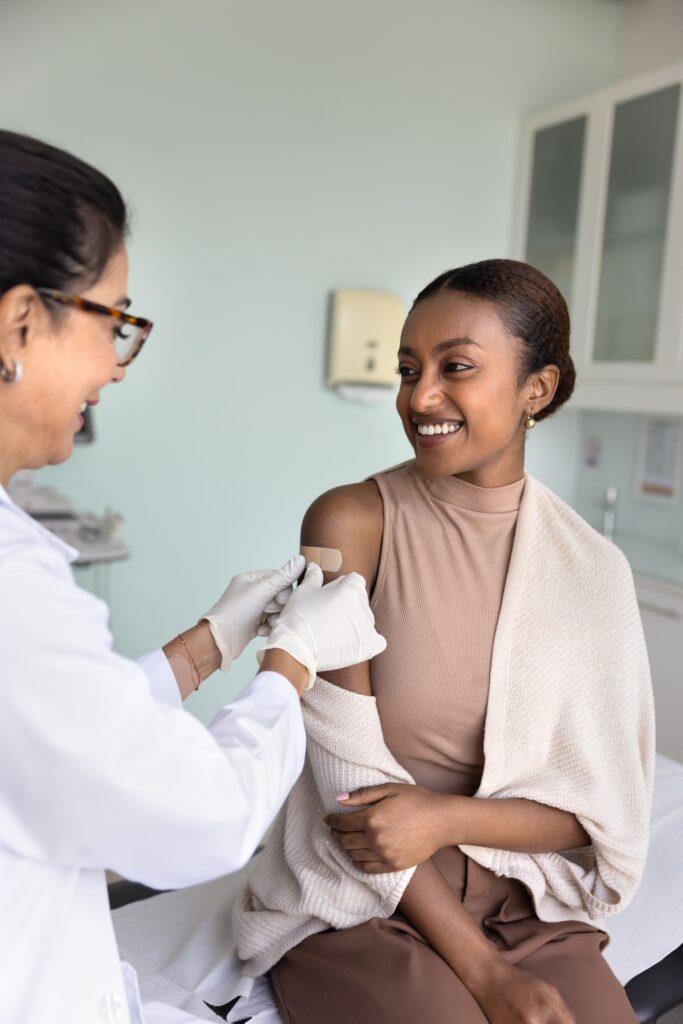
Travel Vaccinations by Destination: An Updated Guide to Safe Travel Travelling to certain countries may require specific health precautions, including mandatory vaccinations. Understanding the vaccination requirements for your destination is essential to protect your health, avoid travel disruptions, and ensure a safe and enjoyable journey. This updated guide explains which travel vaccinations may be required depending on your destination and why a travel health consultation is an important part of your trip preparation. Why Are Travel Vaccinations Important? Some countries have a higher prevalence of infectious diseases that are uncommon in Europe and other developed regions. Travel vaccinations help to: Protect against serious infectious diseases Reduce health risks during your trip Meet official entry requirements Prevent the spread of disease between countries Ensure a safer travel experience Proper preparation is a key component of travel medicine and international health protection. Mandatory Travel Vaccinations: What You Need to Know Not all travel vaccines are mandatory, but some countries require proof of vaccination before entry. Yellow Fever Vaccination Yellow Fever remains the most commonly required travel vaccination worldwide. It may be mandatory for entry into several countries in Africa and South America, particularly when arriving from a region where Yellow Fever is present. Key points include: An International Certificate of Vaccination may be required Proof of vaccination may be checked upon arrival Entry may be denied if documentation is missing Requirements vary depending on your travel itinerary Travellers should always verify current regulations before departure. Recommended Vaccinations by Region In addition to mandatory vaccines, healthcare professionals may recommend additional vaccinations depending on your destination, planned activities, and medical history. Africa Travel to many African countries requires careful health planning. Commonly recommended vaccinations include: Yellow Fever Hepatitis A Hepatitis B Typhoid Fever Tetanus In some regions, preventive medication against malaria may also be recommended. Countries such as Angola, Mozambique, Kenya, and Tanzania often require particular attention to travel health precautions. Central and South America Travellers visiting tropical and rural regions may require additional protection. Recommended vaccinations may include: Yellow Fever Hepatitis A Hepatitis B Typhoid Fever Rabies (for selected travellers) Countries such as Brazil, Peru, Colombia, and Bolivia may present increased risks depending on the areas visited. Asia Health risks in Asia vary significantly between countries and regions. Frequently recommended vaccinations include: Hepatitis A Hepatitis B Typhoid Fever Tetanus Japanese Encephalitis (for specific travellers and longer stays) Popular destinations such as Thailand, India, Indonesia, and Vietnam often warrant a pre-travel health assessment. The Middle East Vaccination requirements can vary depending on the country and purpose of travel. Examples include: Meningococcal vaccination for pilgrims travelling to Saudi Arabia for Hajj or Umrah Hepatitis A and B vaccination Tetanus boosters A travel health consultation can help determine the most appropriate protection for your itinerary. When Should You Schedule a Travel Health Consultation? Ideally, you should arrange a travel health consultation four to eight weeks before departure. This allows enough time to: Update routine vaccinations Complete vaccination schedules Begin preventive medication when necessary Receive personalised travel health advice Obtain required travel documentation Planning ahead provides the greatest level of protection. Who Should Take Extra Precautions? Certain travellers may be at greater risk of complications and should seek professional advice well in advance. These groups include: Children Pregnant women Older adults Individuals with chronic medical conditions Immunocompromised travellers Personalised medical guidance is particularly important for these travellers. What Documentation May Be Required? Depending on your destination, you may need: An International Certificate of Vaccination Proof of mandatory vaccinations Updated medical records Documentation relating to prescribed preventive medications Failure to provide required documentation could result in travel delays or refusal of entry. Where Can You Have a Travel Health Consultation? At Family Medical Centre & Antiaging Clinic, we provide comprehensive travel health consultations tailored to your destination, travel plans, and individual health needs. Our team offers personalised advice, vaccination guidance, preventive treatments, and travel health recommendations to help you travel safely and confidently. Conclusion Understanding travel vaccination requirements is an essential part of planning any international trip. By preparing in advance and seeking professional travel health advice, you can reduce health risks, meet entry requirements, and enjoy greater peace of mind throughout your journey. Book your travel health consultation before travelling and ensure you are fully prepared for your destination.

Travel Vaccinations by Destination Read More »

Diferença entre médico de família e médico interno

Diferença entre médico de família e médico interno: qual deve escolher? Muitas pessoas têm dúvidas sobre a diferença entre médico de família e médico de medicina interna. Embora ambos acompanhem a saúde global do paciente, existem diferenças importantes na sua formação, abordagem e tipo de acompanhamento. Neste artigo, explicamos de forma simples qual a diferença entre médico de família e médico interno e quando deve recorrer a cada um. O que é um médico de família? O médico de família, também conhecido como especialista em medicina geral e familiar, é o profissional responsável pelo acompanhamento contínuo da saúde ao longo da vida. Este médico acompanha o paciente de forma global, tendo em conta: Histórico clínico Contexto familiar Estilo de vida Prevenção de doenças É, muitas vezes, o primeiro ponto de contacto no sistema de saúde. Principais funções do médico de família O médico de família tem um papel essencial na saúde preventiva e no acompanhamento regular. Entre as suas funções estão: Realização de check-ups médicos Acompanhamento de doenças crónicas (diabetes, hipertensão, etc.) Prescrição de exames e análises clínicas Encaminhamento para outras especialidades, quando necessário Aconselhamento sobre hábitos de vida saudáveis É o médico ideal para um acompanhamento contínuo e personalizado. O que é um médico de medicina interna? O médico internista, especialista em medicina interna, é focado no diagnóstico e tratamento de doenças mais complexas, sobretudo em adultos. Tem uma formação mais aprofundada em patologias que afetam vários órgãos e sistemas do corpo. Principais funções do médico internista O médico de medicina interna atua principalmente em situações mais clínicas e complexas, como: Doenças multissistémicas Casos de diagnóstico difícil Doentes com múltiplas patologias Acompanhamento hospitalar ou clínico mais especializado Também pode acompanhar pacientes de forma regular, especialmente em casos mais exigentes. Diferença entre médico de família e médico interno Embora ambos cuidem da saúde global, existem diferenças claras: Médico de família: Foco na prevenção e acompanhamento contínuo Relação próxima e de longo prazo com o paciente Primeira linha de cuidados de saúde Atua em todas as idades Médico internista: Foco em doenças mais complexas Abordagem mais especializada Atua sobretudo em adultos Intervenção em situações clínicas mais exigentes Qual deve escolher? A escolha depende das suas necessidades de saúde. 👉 Deve recorrer a um médico de família se: Procura acompanhamento regular Precisa de check-ups ou avaliação geral Quer prevenir doenças 👉 Deve recorrer a um médico internista se: Tem uma condição clínica complexa Precisa de diagnóstico mais aprofundado Tem múltiplas doenças associadas Em muitos casos, os dois profissionais trabalham em conjunto. A importância de um acompanhamento médico adequado Ter acompanhamento médico regular é essencial para manter a sua saúde sob controlo. Na Luz Doc, disponibilizamos consultas de medicina geral e familiar e medicina interna em Lagos e na Praia da Luz, garantindo um acompanhamento completo e personalizado. Conclusão Compreender a diferença entre médico de família e médico interno ajuda a escolher o acompanhamento mais adequado para si. Ambos desempenham um papel fundamental na sua saúde — o importante é saber quando recorrer a cada um. Em caso de dúvida, marque uma consulta e obtenha orientação personalizada.

Diferença entre médico de família e médico interno Read More »

Dangerous Skin Moles and Lesions.

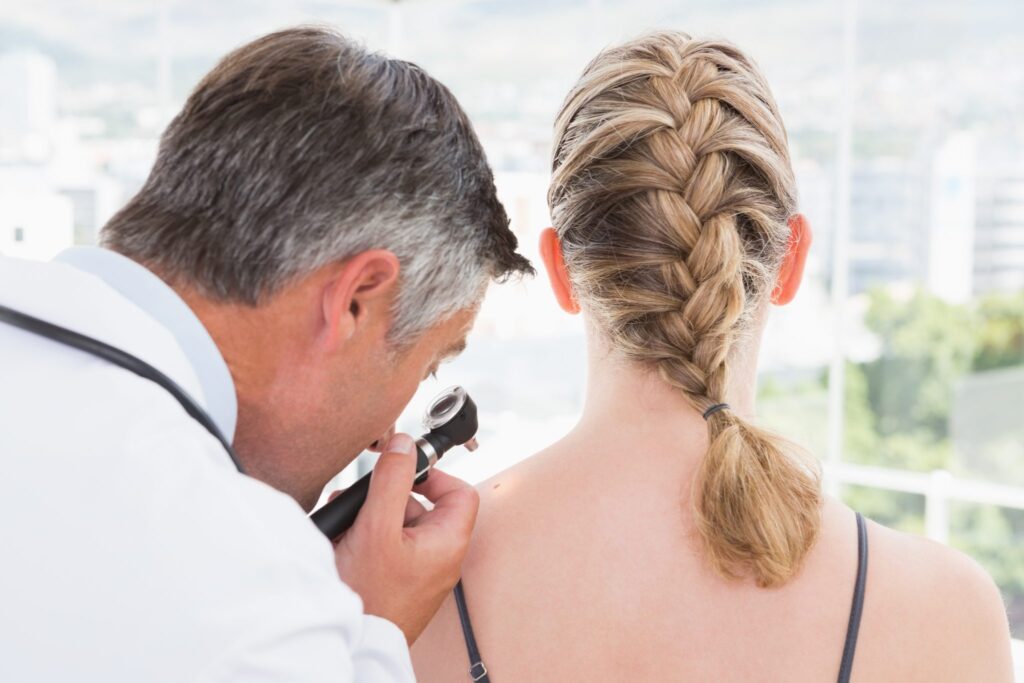
Dangerous Skin Moles and Lesions: How to Identify Warning Signs Your skin is the largest organ in the body and can provide important clues about your overall health. While most moles, marks, and skin lesions are harmless, some changes may indicate more serious conditions, including skin cancer. Knowing how to recognise potentially dangerous skin changes is essential for early diagnosis and successful treatment. Why Is It Important to Monitor Your Skin? Most cases of skin cancer can be treated successfully when detected at an early stage. Regular skin monitoring can help you: Identify suspicious changes early Detect skin lesions before they become more serious Improve treatment outcomes Reduce the risk of complications Maintain long-term skin health Routine skin examinations and dermatology consultations play an important role in prevention and early detection. The ABCDE Rule: How to Assess a Mole One of the most effective ways to evaluate a mole or pigmented lesion is by using the ABCDE rule, widely recommended by dermatologists. A – Asymmetry A healthy mole is usually symmetrical. If one half looks different from the other, this may be a warning sign that requires further assessment. B – Border Pay attention to the edges of a mole. Irregular, uneven, blurred, or poorly defined borders can sometimes indicate abnormal changes. C – Colour Most benign moles have a uniform colour. A mole that contains multiple shades of brown, black, red, white, blue, or pink should be examined by a healthcare professional. D – Diameter Moles larger than 6 millimetres in diameter should be monitored carefully. Although smaller lesions can also be concerning, size remains an important factor in skin assessment. E – Evolution Any noticeable change in a mole over time is one of the most significant warning signs. Changes in size, shape, colour, elevation, or symptoms such as itching and bleeding should always be evaluated. Other Skin Warning Signs Not to Ignore In addition to the ABCDE rule, there are several other skin changes that may require medical attention. These include: Wounds or sores that do not heal Spots that grow rapidly Moles or lesions that bleed easily Persistent crusting or scabbing Ongoing itching or irritation Sudden changes in the appearance of the skin If you notice any of these symptoms, it is advisable to seek professional dermatological assessment. Risk Factors for Skin Cancer Certain individuals may have a higher risk of developing skin cancer or other skin conditions. Common risk factors include: Excessive sun exposure History of sunburns Family history of skin cancer Fair or sensitive skin Frequent use of tanning beds Having a large number of moles People with these risk factors should be particularly vigilant and consider regular skin examinations. How Often Should You Have a Skin Examination? Dermatologists generally recommend: Monthly self-examinations of the skin An annual dermatology consultation More frequent assessments for high-risk individuals Regular monitoring allows potential concerns to be identified as early as possible. When Should You See a Dermatologist? You should arrange a dermatology consultation if: You notice a suspicious change in a mole or lesion A new mole appears and looks different from your existing moles A lesion becomes painful, itchy, or starts bleeding A wound does not heal properly You have concerns about any skin change Early diagnosis can significantly improve treatment options and outcomes. Where Can You Have a Skin Assessment? At Family Medical Centre & Antiaging Clinic, we provide comprehensive dermatology consultations and skin assessments tailored to your individual needs. Our experienced team can evaluate moles, skin lesions, pigmentation changes, and other dermatological concerns, helping you maintain healthy skin and peace of mind. Conclusion Recognising potentially dangerous skin changes is an essential part of skin cancer prevention and overall health maintenance. Regular self-examinations, sun protection, and professional dermatological assessments can help detect problems early, when treatment is most effective. If you notice any unusual changes in your skin, do not delay seeking medical advice. Early action can make all the difference.

Dangerous Skin Moles and Lesions. Read More »

Annual Medical Tests You Should Have

Annual Medical Tests You Should Have: A Complete Guide to Preventive Healthcare Regular health screenings are one of the most effective ways to protect your health and identify potential medical conditions before symptoms appear. Through routine annual check-ups and preventive testing, it is possible to detect changes in your health early and take action before problems become more serious. In this guide, we explain the key medical tests that should be considered as part of a comprehensive annual health assessment. Why Are Annual Medical Tests Important? Preventive healthcare plays a vital role in maintaining long-term wellbeing and reducing the risk of serious illness. Regular medical assessments can help you: Detect health conditions at an early stage Monitor risk factors for chronic diseases Track changes in your overall health Improve treatment outcomes through early intervention Receive personalised health advice and recommendations Even if you feel healthy, annual health checks can provide valuable insights into your wellbeing. 1. Blood Tests Blood tests form the foundation of most preventive health assessments. They provide important information about various aspects of your health, including: Cholesterol levels Blood glucose levels Liver function Kidney function Vitamin and mineral levels Thyroid function Routine blood testing can help identify conditions such as diabetes, high cholesterol, nutritional deficiencies, and other underlying health concerns. 2. Blood Pressure Assessment Measuring blood pressure is quick, simple, and highly important. High blood pressure, or hypertension, often develops without noticeable symptoms and is one of the leading risk factors for cardiovascular disease, stroke, and kidney problems. Regular monitoring helps ensure early detection and appropriate management. 3. Electrocardiogram (ECG) An electrocardiogram (ECG) evaluates the electrical activity of the heart and can provide valuable information about cardiovascular health. It is particularly recommended for adults over the age of 40 or for individuals with cardiovascular risk factors. An ECG may help identify: Cardiac arrhythmias Irregular heart rhythms Signs of underlying heart disease Other cardiovascular abnormalities This examination is often an important component of a preventive cardiac assessment. 4. Weight and Body Composition Assessment Monitoring weight alone does not always provide a complete picture of health. A body composition assessment can evaluate: Body Mass Index (BMI) Body fat percentage Muscle mass Overall body composition These measurements can help assess the risk of obesity, diabetes, metabolic disorders, and cardiovascular disease. 5. Skin Health Examination Regular skin assessments are particularly important in countries with high levels of sun exposure. An annual dermatological examination can help: Monitor moles and skin lesions Detect suspicious changes early Identify signs of skin cancer Support long-term skin health Early diagnosis remains one of the most effective ways to manage skin-related conditions. 6. Age and Gender-Specific Screenings Certain preventive tests vary depending on age, gender, family history, and individual risk factors. For women, recommended assessments may include: Gynaecological examinations Cervical screening Breast health assessments and mammography when appropriate For men, screening may include: Prostate health evaluations Hormonal assessments when indicated Age-specific preventive testing A personalised approach ensures that each patient receives the most appropriate screening programme. 7. General Medical Consultation In addition to diagnostic tests, a consultation with a healthcare professional is an essential part of any annual check-up. During the appointment, your doctor may review: Medical history Family health history Current symptoms or concerns Lifestyle habits Existing medical conditions This consultation helps determine which investigations are most appropriate and allows for tailored healthcare recommendations. Where Should You Have Your Annual Health Screening? Choosing a trusted medical clinic ensures access to experienced healthcare professionals and a comprehensive approach to preventive care. At Family Medical Centre & Antiaging Clinic, we offer personalised annual health screening programmes designed around your age, medical history, lifestyle, and individual healthcare needs. Our multidisciplinary team provides convenient access to consultations, diagnostic testing, and specialist care in one location. Conclusion Annual medical testing is an investment in your long-term health and wellbeing. Preventive healthcare allows potential problems to be identified early, helping you maintain a healthier lifestyle and greater peace of mind. Don’t wait for symptoms to appear. Schedule your annual health check-up and take a proactive approach to protecting your health.

Annual Medical Tests You Should Have Read More »

Travel Health Consultation: Which Countries?

Require a Travel Health Assessment? Travelling abroad can be an exciting and rewarding experience, but some destinations require additional health precautions. A travel health consultation is an important step in preparing for international travel, helping to protect you against diseases and health risks specific to certain regions. If you are planning a trip overseas, understanding when a travel health consultation is recommended can help ensure a safer and healthier journey. What Is a Travel Health Consultation? A travel health consultation is a medical assessment carried out before your trip. During the appointment, a healthcare professional will evaluate several factors, including: Your destination The duration of your trip The purpose of travel (tourism, business, volunteering, adventure travel, etc.) Your medical history and current health status Based on this information, personalised recommendations may be provided regarding vaccinations, preventive medication, and health precautions. Countries Where a Travel Health Consultation Is Highly Recommended Certain destinations carry a higher risk of exposure to infectious diseases and may require specific vaccinations or preventive measures. Africa Many African countries have a higher prevalence of diseases such as yellow fever, malaria, hepatitis, and typhoid fever. Examples include: Angola Mozambique Cape Verde Kenya Tanzania For some destinations, proof of yellow fever vaccination may be required for entry. Central and South America Several countries in Central and South America present risks associated with tropical and infectious diseases. Common destinations include: Brazil Peru Colombia Bolivia Travellers visiting rural areas or the Amazon region may require specific vaccinations and preventive medication. Asia Asia remains one of the world’s most popular travel destinations, but certain regions require additional health precautions. Examples include: Thailand India Indonesia Vietnam Depending on your itinerary, protection against diseases such as Hepatitis A, Typhoid Fever, Japanese Encephalitis, and Dengue Fever may be recommended. The Middle East and Other Regions Some destinations have specific health requirements or vaccination recommendations. For example: Saudi Arabia (particularly for Hajj or Umrah pilgrims) Countries experiencing disease outbreaks Regions with increased risk of infectious diseases A travel health consultation helps ensure you meet any entry requirements and receive the appropriate medical advice. When Should You Schedule a Travel Health Consultation? Ideally, you should arrange your consultation at least four to eight weeks before departure. This allows sufficient time to: Complete vaccination schedules Begin preventive medications, such as antimalarial treatment Receive personalised travel health advice Prepare for destination-specific health risks Early planning provides the greatest level of protection. Who Should Have a Travel Health Consultation? Travel health consultations are recommended for: International travellers People visiting tropical or remote regions Business travellers Volunteers and humanitarian workers Pregnant women Children Individuals with chronic medical conditions Even short trips may warrant professional travel health advice depending on the destination. Benefits of a Travel Health Consultation A travel health consultation can help you: Prevent travel-related illnesses Travel with greater confidence and peace of mind Meet vaccination and entry requirements Receive guidance on food, water, hygiene, and insect protection Understand health risks specific to your destination Proper preparation is one of the most effective ways to reduce health risks while travelling. Where Can You Have a Travel Health Consultation? At Family Medical Centre & Antiaging Clinic, we provide comprehensive travel health consultations tailored to your destination, medical history, and travel plans. Our team offers personalised advice, vaccination guidance, preventive treatment recommendations, and practical travel health information to help you travel safely and confidently. Conclusion If you are travelling outside Europe, particularly to tropical or developing regions, a travel health consultation should be an essential part of your trip preparation. With the right advice and preventive measures, you can minimise health risks and focus on enjoying your journey. Book your travel health consultation today and travel with confidence, knowing your health is protected.

Travel Health Consultation: Which Countries? Read More »

When Should You Have a Health Check-Up?

When Should You Have a Health Check-Up? A Complete Guide to Looking After Your Health Regular medical check-ups are one of the most effective ways to prevent disease and maintain long-term health. However, many people only seek medical advice when symptoms appear. The reality is that preventive healthcare can make a significant difference in the early detection of health conditions and the success of treatment. What Is a Medical Check-Up? A health check-up is a comprehensive assessment of your overall health and wellbeing. It typically combines a medical evaluation with diagnostic tests designed to identify potential health issues before symptoms develop. A check-up may include: A general medical consultation Blood and laboratory tests Cardiovascular assessments Evaluation of individual risk factors Lifestyle and health recommendations The goal is to detect health concerns early and support proactive healthcare management. When Should You Have a Check-Up? The ideal frequency of medical check-ups depends on factors such as age, medical history, family history, and lifestyle. However, some general recommendations can be followed. Ages 20 to 39 A health check-up every two to three years is generally recommended for healthy adults. These appointments usually focus on basic health assessments, routine blood tests, and identifying potential risk factors. Ages 40 to 59 Annual check-ups become increasingly important during this stage of life. Greater attention is often given to cardiovascular health, cholesterol levels, blood pressure, diabetes screening, and other age-related health risks. Age 60 and Over Annual or, in some cases, biannual check-ups are recommended. More regular monitoring can help identify health issues early and support healthy ageing through personalised medical care. Signs You Should Schedule a Check-Up Sooner Even if you are not due for a routine assessment, certain symptoms should not be ignored. Consider arranging a medical check-up if you experience: Persistent fatigue without an obvious cause Unexplained weight loss or weight gain Ongoing pain or discomfort Shortness of breath or heart palpitations Changes in sleep patterns Changes in appetite General concerns about your health These symptoms may warrant a more detailed medical evaluation. Benefits of Regular Health Check-Ups Preventive healthcare offers numerous advantages for both short-term and long-term wellbeing. Regular check-ups can help: Detect health conditions at an early stage Improve treatment outcomes Reduce future health risks Monitor existing medical conditions Provide personalised healthcare advice Offer peace of mind regarding your health Prevention remains one of the most valuable investments you can make in your wellbeing. What Tests May Be Included? The content of a check-up is tailored to each individual, but commonly includes: Blood tests Blood pressure assessment Electrocardiogram (ECG) Cholesterol screening Blood glucose testing Weight and body composition evaluation Additional tests based on age, symptoms, and risk factors Your healthcare professional will recommend the most appropriate assessments for your needs. Where Should You Have Your Check-Up? Choosing a trusted medical clinic is essential to ensure accurate assessments and personalised care. At Family Medical Centre & Antiaging Clinic, we offer comprehensive health check-up programmes tailored to your age, lifestyle, and medical history. Our experienced healthcare professionals provide a personalised approach designed to help you stay healthy and informed about your wellbeing. Conclusion Knowing when to schedule a health check-up can make a significant difference to your long-term health. Rather than waiting for symptoms to appear, proactive healthcare allows you to identify potential concerns early and take positive steps towards maintaining your wellbeing. Book your health check-up today and take an important step towards a healthier future.

When Should You Have a Health Check-Up? Read More »

Skin Care After 60

Skin Care After 60: How to Maintain Healthy, Radiant Skin As we age, our skin naturally changes and requires more targeted care. After the age of 60, many people notice increased dryness, reduced firmness, and the appearance of deeper wrinkles. While these changes are a normal part of ageing, adopting the right skincare routine can help maintain healthy, comfortable, and radiant skin for years to come. Why Does Skin Change After 60? The natural ageing process leads to a gradual decline in collagen, elastin, and the skin’s natural oil production. As a result, the skin becomes thinner, less elastic, and more prone to dryness. These changes can make wrinkles more noticeable and may increase skin sensitivity, highlighting the importance of a skincare routine specifically designed for mature skin. 1. Prioritise Deep Hydration Hydration becomes increasingly important as the skin ages. Look for moisturisers containing ingredients such as hyaluronic acid, ceramides, and glycerin. These ingredients help replenish moisture, strengthen the skin barrier, and improve overall comfort and softness. Applying a rich moisturiser daily can significantly improve the appearance and feel of mature skin. 2. Protect Your Skin from the Sun Every Day Sun exposure remains one of the leading causes of premature skin ageing and pigmentation issues, regardless of age. Daily use of a broad-spectrum sunscreen with SPF 30 or higher is essential. Even on cloudy days, UV rays can contribute to skin damage and accelerate visible signs of ageing. Consistent sun protection helps preserve skin health and supports a more even complexion. 3. Choose Gentle Cleansing Products Mature skin can be more delicate and susceptible to irritation. Avoid harsh cleansers that strip the skin of its natural oils. Instead, opt for gentle, hydrating cleansers with alcohol-free formulations and cream or oil-based textures. A gentle cleansing routine helps maintain the skin’s natural balance while preparing it for moisturisers and treatment products. 4. Support Natural Collagen Production Collagen levels decrease significantly with age, contributing to loss of firmness and skin laxity. Products containing retinol, peptides, and antioxidants such as Vitamin C may help support skin renewal and improve texture. Professional aesthetic medicine treatments can also help stimulate collagen production and enhance skin quality. A personalised approach is often the most effective way to address age-related skin concerns. 5. Monitor Skin Changes Regularly Ageing skin is more likely to develop pigmentation changes, age spots, and other visible alterations. It is important to monitor any new marks, changes in existing moles, or unusual skin lesions. Regular dermatological assessments can help identify potential concerns early and ensure appropriate management. Early detection plays an important role in maintaining both skin health and overall wellbeing. 6. Nourish Your Skin from Within Healthy skin is influenced not only by external skincare but also by lifestyle habits. Staying well hydrated, consuming antioxidant-rich foods, and incorporating healthy fats such as olive oil, nuts, seeds, and oily fish can support skin function and appearance. A balanced diet contributes to healthier, more resilient skin at any age. 7. Consider Professional Treatments for Mature Skin Professional skincare and aesthetic medicine treatments can complement a daily skincare routine and address specific concerns more effectively. Options may include intensive hydration treatments, skin rejuvenation procedures, non-surgical facial treatments, and personalised skincare programmes tailored to mature skin. At Family Medical Centre & Antiaging Clinic, we offer customised treatment plans designed to support healthy ageing and natural-looking results. Conclusion Looking after your skin after the age of 60 is about more than appearance—it is an important part of maintaining comfort, confidence, and overall skin health. With the right combination of daily skincare, sun protection, healthy lifestyle habits, and professional guidance, mature skin can remain healthy, radiant, and well cared for. If you would like personalised advice, schedule a consultation with our team and discover the most suitable skincare solutions for your individual needs.

Skin Care After 60 Read More »

7 Botox Myths: What You Really Need to Know

Botox is one of the most popular aesthetic medicine treatments worldwide, yet it remains surrounded by misconceptions and misinformation. If you are considering Botox treatment, it is important to separate fact from fiction. In this article, we debunk seven common myths about Botox to help you make an informed and confident decision. 1. “Botox Leaves Your Face Expressionless” This is one of the most common misconceptions. When administered by a qualified aesthetic medicine professional, Botox does not eliminate natural facial expressions—it simply relaxes specific muscles responsible for dynamic wrinkles. The goal is to achieve a refreshed, natural-looking appearance while preserving your unique facial expressions. 2. “Botox Is Dangerous” Botox (botulinum toxin) is a safe and well-established treatment when performed by experienced medical professionals. It has been used for decades not only in aesthetic medicine but also in various medical specialties, including neurology and ophthalmology. The main risks are associated with inappropriate administration or treatment performed without proper medical supervision. 3. “Botox Is Only for Older People” Increasingly, younger adults are choosing Botox as a preventive treatment. Early intervention can help reduce the formation of deep expression lines, making preventive Botox popular among patients in their late twenties and thirties. Preventive aesthetic treatments are now a growing trend in facial rejuvenation. 4. “Botox Results Are Permanent” Botox is not a permanent treatment. The effects typically last between four and six months, depending on the individual, lifestyle factors, and treatment area. After this period, muscle activity gradually returns, and lines may slowly reappear. 5. “Once You Start Botox, You Can’t Stop” This is another widespread myth. If you decide to stop having Botox treatments, your face will gradually return to its natural appearance. It will not become worse than before treatment. In some cases, regular treatments may even help slow the progression of certain wrinkles over time. 6. “Botox Completely Changes Your Appearance” When properly administered, Botox does not transform your face—it enhances your natural appearance. Modern aesthetic medicine focuses on subtle improvements that maintain facial harmony and authenticity. Overdone or unnatural results are typically associated with poor treatment planning or inexperienced practitioners. 7. “Botox Is Only Used for Wrinkles” Although best known for reducing facial wrinkles, Botox has a wide range of medical and aesthetic applications, including: Treatment of excessive sweating (hyperhidrosis) Management of bruxism (teeth grinding) Correction of a gummy smile Relief of chronic migraines Reduction of muscle tension in specific areas Its versatility makes Botox one of the most widely used treatments in both aesthetics and medicine. Botox: Knowledge Is Key Before undergoing any aesthetic procedure, it is essential to seek advice from qualified medical professionals and choose a reputable aesthetic medicine clinic. At Family Medical Centre & Antiaging Clinic, we offer personalised Botox treatments tailored to each patient’s needs, with a strong focus on safety, natural-looking results, and patient wellbeing. Conclusion Botox is a highly effective treatment for both the prevention and management of signs of ageing. However, success depends on accurate information, realistic expectations, and expert medical guidance. If you are considering Botox treatment, book a consultation and discover the most suitable approach for your individual goals.

7 Botox Myths: What You Really Need to Know Read More »

3 SIGNS YOU MAY NEED A CARDIOLOGY CONSULTATION

Taking care of your heart health is essential for maintaining a good quality of life and preventing cardiovascular disease. Unfortunately, many heart-related symptoms are often dismissed as stress, fatigue, or simply part of a busy lifestyle. In this article, we highlight three warning signs that may indicate it is time to schedule a cardiology consultation. 1. Chest Pain or Discomfort Chest pain is one of the most common symptoms associated with heart problems and should never be ignored. This discomfort may feel like pressure, tightness, heaviness, or squeezing in the chest and can be linked to conditions such as angina or a heart attack. You should seek medical advice if the pain: Occurs during physical activity or exertion Radiates to the arm, back, neck, shoulder, or jaw Is accompanied by sweating, nausea, or shortness of breath Early assessment by a cardiologist can be crucial for timely diagnosis and treatment. 2. Shortness of Breath or Unusual Fatigue Shortness of breath, also known as dyspnoea, may be a sign that the heart is not functioning efficiently. If you experience excessive tiredness during everyday activities such as walking, climbing stairs, or performing routine tasks, it is important to pay attention. This symptom can be associated with reduced circulation, heart valve disorders, or heart failure. Consider booking a cardiology consultation if: Fatigue seems disproportionate to the level of activity You experience difficulty breathing even while resting You frequently need to stop and catch your breath A thorough cardiovascular assessment can help identify the underlying cause and guide appropriate treatment. 3. Irregular or Rapid Heartbeats Feeling your heart beating irregularly, too quickly, or skipping beats may indicate the presence of an arrhythmia. While occasional palpitations can be harmless, frequent or persistent episodes should be evaluated by a cardiologist. Pay particular attention if: The episodes occur regularly They last for several minutes They are accompanied by dizziness, light-headedness, or fainting Diagnostic tests such as an electrocardiogram (ECG) or Holter monitor can provide valuable information about your heart rhythm and overall cardiovascular health. When Should You Schedule a Cardiology Consultation? If you are experiencing any of these symptoms, it is important not to delay seeking medical advice. Prevention and early diagnosis are key to reducing the risk of serious cardiovascular complications. At Family Medical Centre & Antiaging Clinic, our experienced cardiology team provides comprehensive cardiovascular care, including prevention, diagnosis, and treatment of heart conditions. Prioritise Your Heart Health Your heart health should never be overlooked. Small warning signs can sometimes indicate more significant underlying issues. If you have concerns about your cardiovascular health or are experiencing any of the symptoms described above, book a cardiology consultation and receive the professional care and support you deserve.

3 SIGNS YOU MAY NEED A CARDIOLOGY CONSULTATION Read More »