General Medicine Algarve

Travel Vaccinations by Destination

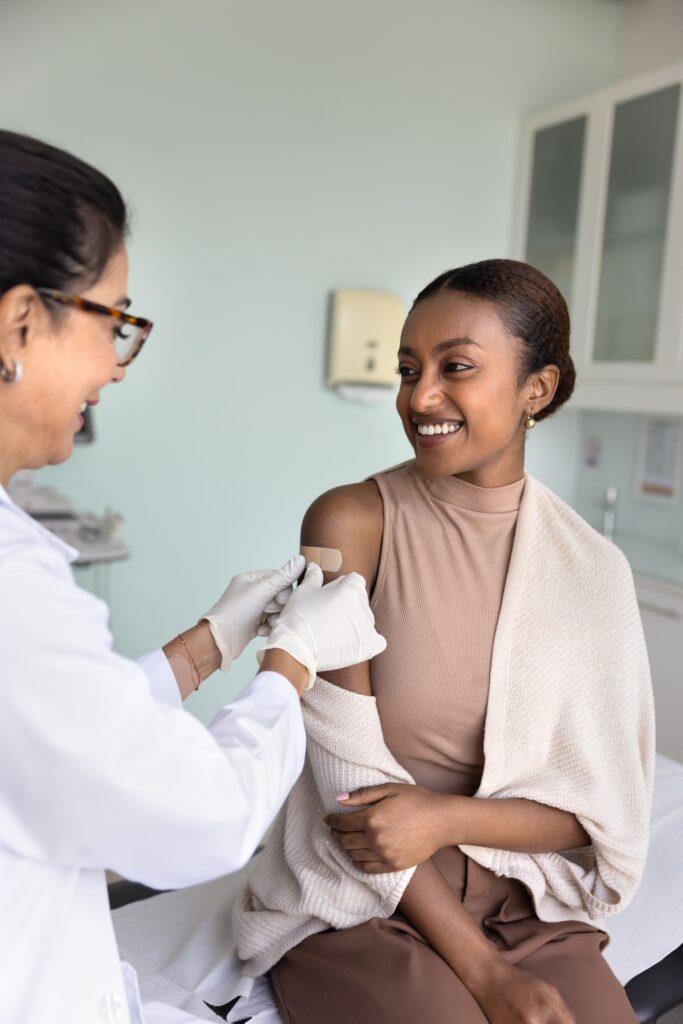
Travel Vaccinations by Destination: An Updated Guide to Safe Travel Travelling to certain countries may require specific health precautions, including mandatory vaccinations. Understanding the vaccination requirements for your destination is essential to protect your health, avoid travel disruptions, and ensure a safe and enjoyable journey. This updated guide explains which travel vaccinations may be required depending on your destination and why a travel health consultation is an important part of your trip preparation. Why Are Travel Vaccinations Important? Some countries have a higher prevalence of infectious diseases that are uncommon in Europe and other developed regions. Travel vaccinations help to: Protect against serious infectious diseases Reduce health risks during your trip Meet official entry requirements Prevent the spread of disease between countries Ensure a safer travel experience Proper preparation is a key component of travel medicine and international health protection. Mandatory Travel Vaccinations: What You Need to Know Not all travel vaccines are mandatory, but some countries require proof of vaccination before entry. Yellow Fever Vaccination Yellow Fever remains the most commonly required travel vaccination worldwide. It may be mandatory for entry into several countries in Africa and South America, particularly when arriving from a region where Yellow Fever is present. Key points include: An International Certificate of Vaccination may be required Proof of vaccination may be checked upon arrival Entry may be denied if documentation is missing Requirements vary depending on your travel itinerary Travellers should always verify current regulations before departure. Recommended Vaccinations by Region In addition to mandatory vaccines, healthcare professionals may recommend additional vaccinations depending on your destination, planned activities, and medical history. Africa Travel to many African countries requires careful health planning. Commonly recommended vaccinations include: Yellow Fever Hepatitis A Hepatitis B Typhoid Fever Tetanus In some regions, preventive medication against malaria may also be recommended. Countries such as Angola, Mozambique, Kenya, and Tanzania often require particular attention to travel health precautions. Central and South America Travellers visiting tropical and rural regions may require additional protection. Recommended vaccinations may include: Yellow Fever Hepatitis A Hepatitis B Typhoid Fever Rabies (for selected travellers) Countries such as Brazil, Peru, Colombia, and Bolivia may present increased risks depending on the areas visited. Asia Health risks in Asia vary significantly between countries and regions. Frequently recommended vaccinations include: Hepatitis A Hepatitis B Typhoid Fever Tetanus Japanese Encephalitis (for specific travellers and longer stays) Popular destinations such as Thailand, India, Indonesia, and Vietnam often warrant a pre-travel health assessment. The Middle East Vaccination requirements can vary depending on the country and purpose of travel. Examples include: Meningococcal vaccination for pilgrims travelling to Saudi Arabia for Hajj or Umrah Hepatitis A and B vaccination Tetanus boosters A travel health consultation can help determine the most appropriate protection for your itinerary. When Should You Schedule a Travel Health Consultation? Ideally, you should arrange a travel health consultation four to eight weeks before departure. This allows enough time to: Update routine vaccinations Complete vaccination schedules Begin preventive medication when necessary Receive personalised travel health advice Obtain required travel documentation Planning ahead provides the greatest level of protection. Who Should Take Extra Precautions? Certain travellers may be at greater risk of complications and should seek professional advice well in advance. These groups include: Children Pregnant women Older adults Individuals with chronic medical conditions Immunocompromised travellers Personalised medical guidance is particularly important for these travellers. What Documentation May Be Required? Depending on your destination, you may need: An International Certificate of Vaccination Proof of mandatory vaccinations Updated medical records Documentation relating to prescribed preventive medications Failure to provide required documentation could result in travel delays or refusal of entry. Where Can You Have a Travel Health Consultation? At Family Medical Centre & Antiaging Clinic, we provide comprehensive travel health consultations tailored to your destination, travel plans, and individual health needs. Our team offers personalised advice, vaccination guidance, preventive treatments, and travel health recommendations to help you travel safely and confidently. Conclusion Understanding travel vaccination requirements is an essential part of planning any international trip. By preparing in advance and seeking professional travel health advice, you can reduce health risks, meet entry requirements, and enjoy greater peace of mind throughout your journey. Book your travel health consultation before travelling and ensure you are fully prepared for your destination.

Travel Vaccinations by Destination Read More »

Diferença entre médico de família e médico interno

Diferença entre médico de família e médico interno: qual deve escolher? Muitas pessoas têm dúvidas sobre a diferença entre médico de família e médico de medicina interna. Embora ambos acompanhem a saúde global do paciente, existem diferenças importantes na sua formação, abordagem e tipo de acompanhamento. Neste artigo, explicamos de forma simples qual a diferença entre médico de família e médico interno e quando deve recorrer a cada um. O que é um médico de família? O médico de família, também conhecido como especialista em medicina geral e familiar, é o profissional responsável pelo acompanhamento contínuo da saúde ao longo da vida. Este médico acompanha o paciente de forma global, tendo em conta: Histórico clínico Contexto familiar Estilo de vida Prevenção de doenças É, muitas vezes, o primeiro ponto de contacto no sistema de saúde. Principais funções do médico de família O médico de família tem um papel essencial na saúde preventiva e no acompanhamento regular. Entre as suas funções estão: Realização de check-ups médicos Acompanhamento de doenças crónicas (diabetes, hipertensão, etc.) Prescrição de exames e análises clínicas Encaminhamento para outras especialidades, quando necessário Aconselhamento sobre hábitos de vida saudáveis É o médico ideal para um acompanhamento contínuo e personalizado. O que é um médico de medicina interna? O médico internista, especialista em medicina interna, é focado no diagnóstico e tratamento de doenças mais complexas, sobretudo em adultos. Tem uma formação mais aprofundada em patologias que afetam vários órgãos e sistemas do corpo. Principais funções do médico internista O médico de medicina interna atua principalmente em situações mais clínicas e complexas, como: Doenças multissistémicas Casos de diagnóstico difícil Doentes com múltiplas patologias Acompanhamento hospitalar ou clínico mais especializado Também pode acompanhar pacientes de forma regular, especialmente em casos mais exigentes. Diferença entre médico de família e médico interno Embora ambos cuidem da saúde global, existem diferenças claras: Médico de família: Foco na prevenção e acompanhamento contínuo Relação próxima e de longo prazo com o paciente Primeira linha de cuidados de saúde Atua em todas as idades Médico internista: Foco em doenças mais complexas Abordagem mais especializada Atua sobretudo em adultos Intervenção em situações clínicas mais exigentes Qual deve escolher? A escolha depende das suas necessidades de saúde. 👉 Deve recorrer a um médico de família se: Procura acompanhamento regular Precisa de check-ups ou avaliação geral Quer prevenir doenças 👉 Deve recorrer a um médico internista se: Tem uma condição clínica complexa Precisa de diagnóstico mais aprofundado Tem múltiplas doenças associadas Em muitos casos, os dois profissionais trabalham em conjunto. A importância de um acompanhamento médico adequado Ter acompanhamento médico regular é essencial para manter a sua saúde sob controlo. Na Luz Doc, disponibilizamos consultas de medicina geral e familiar e medicina interna em Lagos e na Praia da Luz, garantindo um acompanhamento completo e personalizado. Conclusão Compreender a diferença entre médico de família e médico interno ajuda a escolher o acompanhamento mais adequado para si. Ambos desempenham um papel fundamental na sua saúde — o importante é saber quando recorrer a cada um. Em caso de dúvida, marque uma consulta e obtenha orientação personalizada.

Diferença entre médico de família e médico interno Read More »

Dangerous Skin Moles and Lesions.

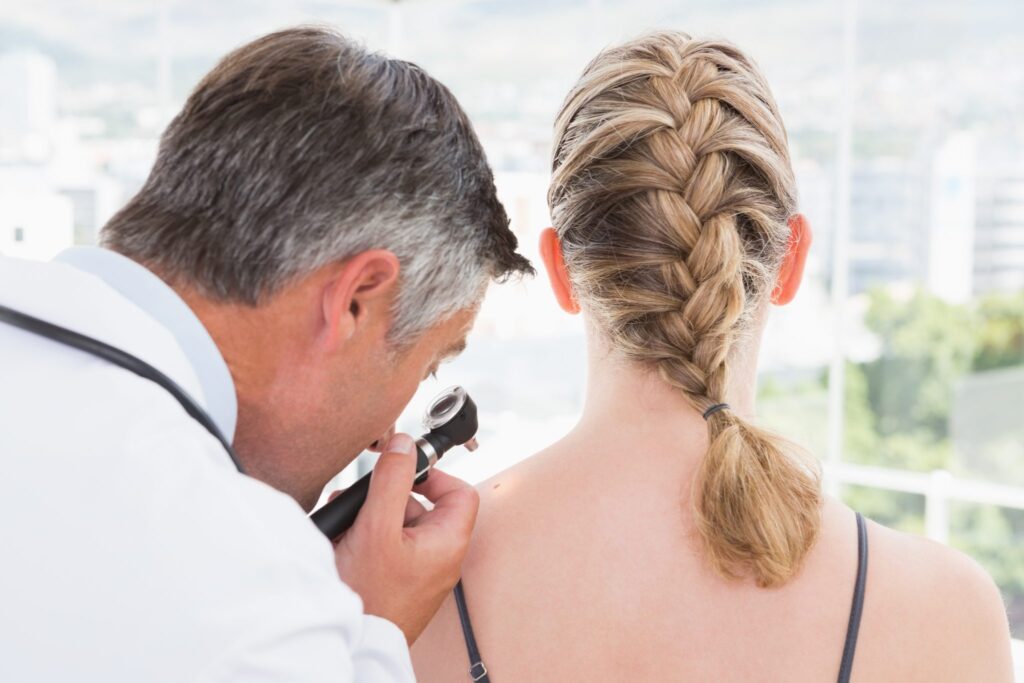
Dangerous Skin Moles and Lesions: How to Identify Warning Signs Your skin is the largest organ in the body and can provide important clues about your overall health. While most moles, marks, and skin lesions are harmless, some changes may indicate more serious conditions, including skin cancer. Knowing how to recognise potentially dangerous skin changes is essential for early diagnosis and successful treatment. Why Is It Important to Monitor Your Skin? Most cases of skin cancer can be treated successfully when detected at an early stage. Regular skin monitoring can help you: Identify suspicious changes early Detect skin lesions before they become more serious Improve treatment outcomes Reduce the risk of complications Maintain long-term skin health Routine skin examinations and dermatology consultations play an important role in prevention and early detection. The ABCDE Rule: How to Assess a Mole One of the most effective ways to evaluate a mole or pigmented lesion is by using the ABCDE rule, widely recommended by dermatologists. A – Asymmetry A healthy mole is usually symmetrical. If one half looks different from the other, this may be a warning sign that requires further assessment. B – Border Pay attention to the edges of a mole. Irregular, uneven, blurred, or poorly defined borders can sometimes indicate abnormal changes. C – Colour Most benign moles have a uniform colour. A mole that contains multiple shades of brown, black, red, white, blue, or pink should be examined by a healthcare professional. D – Diameter Moles larger than 6 millimetres in diameter should be monitored carefully. Although smaller lesions can also be concerning, size remains an important factor in skin assessment. E – Evolution Any noticeable change in a mole over time is one of the most significant warning signs. Changes in size, shape, colour, elevation, or symptoms such as itching and bleeding should always be evaluated. Other Skin Warning Signs Not to Ignore In addition to the ABCDE rule, there are several other skin changes that may require medical attention. These include: Wounds or sores that do not heal Spots that grow rapidly Moles or lesions that bleed easily Persistent crusting or scabbing Ongoing itching or irritation Sudden changes in the appearance of the skin If you notice any of these symptoms, it is advisable to seek professional dermatological assessment. Risk Factors for Skin Cancer Certain individuals may have a higher risk of developing skin cancer or other skin conditions. Common risk factors include: Excessive sun exposure History of sunburns Family history of skin cancer Fair or sensitive skin Frequent use of tanning beds Having a large number of moles People with these risk factors should be particularly vigilant and consider regular skin examinations. How Often Should You Have a Skin Examination? Dermatologists generally recommend: Monthly self-examinations of the skin An annual dermatology consultation More frequent assessments for high-risk individuals Regular monitoring allows potential concerns to be identified as early as possible. When Should You See a Dermatologist? You should arrange a dermatology consultation if: You notice a suspicious change in a mole or lesion A new mole appears and looks different from your existing moles A lesion becomes painful, itchy, or starts bleeding A wound does not heal properly You have concerns about any skin change Early diagnosis can significantly improve treatment options and outcomes. Where Can You Have a Skin Assessment? At Family Medical Centre & Antiaging Clinic, we provide comprehensive dermatology consultations and skin assessments tailored to your individual needs. Our experienced team can evaluate moles, skin lesions, pigmentation changes, and other dermatological concerns, helping you maintain healthy skin and peace of mind. Conclusion Recognising potentially dangerous skin changes is an essential part of skin cancer prevention and overall health maintenance. Regular self-examinations, sun protection, and professional dermatological assessments can help detect problems early, when treatment is most effective. If you notice any unusual changes in your skin, do not delay seeking medical advice. Early action can make all the difference.

Dangerous Skin Moles and Lesions. Read More »

Annual Medical Tests You Should Have

Annual Medical Tests You Should Have: A Complete Guide to Preventive Healthcare Regular health screenings are one of the most effective ways to protect your health and identify potential medical conditions before symptoms appear. Through routine annual check-ups and preventive testing, it is possible to detect changes in your health early and take action before problems become more serious. In this guide, we explain the key medical tests that should be considered as part of a comprehensive annual health assessment. Why Are Annual Medical Tests Important? Preventive healthcare plays a vital role in maintaining long-term wellbeing and reducing the risk of serious illness. Regular medical assessments can help you: Detect health conditions at an early stage Monitor risk factors for chronic diseases Track changes in your overall health Improve treatment outcomes through early intervention Receive personalised health advice and recommendations Even if you feel healthy, annual health checks can provide valuable insights into your wellbeing. 1. Blood Tests Blood tests form the foundation of most preventive health assessments. They provide important information about various aspects of your health, including: Cholesterol levels Blood glucose levels Liver function Kidney function Vitamin and mineral levels Thyroid function Routine blood testing can help identify conditions such as diabetes, high cholesterol, nutritional deficiencies, and other underlying health concerns. 2. Blood Pressure Assessment Measuring blood pressure is quick, simple, and highly important. High blood pressure, or hypertension, often develops without noticeable symptoms and is one of the leading risk factors for cardiovascular disease, stroke, and kidney problems. Regular monitoring helps ensure early detection and appropriate management. 3. Electrocardiogram (ECG) An electrocardiogram (ECG) evaluates the electrical activity of the heart and can provide valuable information about cardiovascular health. It is particularly recommended for adults over the age of 40 or for individuals with cardiovascular risk factors. An ECG may help identify: Cardiac arrhythmias Irregular heart rhythms Signs of underlying heart disease Other cardiovascular abnormalities This examination is often an important component of a preventive cardiac assessment. 4. Weight and Body Composition Assessment Monitoring weight alone does not always provide a complete picture of health. A body composition assessment can evaluate: Body Mass Index (BMI) Body fat percentage Muscle mass Overall body composition These measurements can help assess the risk of obesity, diabetes, metabolic disorders, and cardiovascular disease. 5. Skin Health Examination Regular skin assessments are particularly important in countries with high levels of sun exposure. An annual dermatological examination can help: Monitor moles and skin lesions Detect suspicious changes early Identify signs of skin cancer Support long-term skin health Early diagnosis remains one of the most effective ways to manage skin-related conditions. 6. Age and Gender-Specific Screenings Certain preventive tests vary depending on age, gender, family history, and individual risk factors. For women, recommended assessments may include: Gynaecological examinations Cervical screening Breast health assessments and mammography when appropriate For men, screening may include: Prostate health evaluations Hormonal assessments when indicated Age-specific preventive testing A personalised approach ensures that each patient receives the most appropriate screening programme. 7. General Medical Consultation In addition to diagnostic tests, a consultation with a healthcare professional is an essential part of any annual check-up. During the appointment, your doctor may review: Medical history Family health history Current symptoms or concerns Lifestyle habits Existing medical conditions This consultation helps determine which investigations are most appropriate and allows for tailored healthcare recommendations. Where Should You Have Your Annual Health Screening? Choosing a trusted medical clinic ensures access to experienced healthcare professionals and a comprehensive approach to preventive care. At Family Medical Centre & Antiaging Clinic, we offer personalised annual health screening programmes designed around your age, medical history, lifestyle, and individual healthcare needs. Our multidisciplinary team provides convenient access to consultations, diagnostic testing, and specialist care in one location. Conclusion Annual medical testing is an investment in your long-term health and wellbeing. Preventive healthcare allows potential problems to be identified early, helping you maintain a healthier lifestyle and greater peace of mind. Don’t wait for symptoms to appear. Schedule your annual health check-up and take a proactive approach to protecting your health.

Annual Medical Tests You Should Have Read More »

Travel Health Consultation: Which Countries?

Require a Travel Health Assessment? Travelling abroad can be an exciting and rewarding experience, but some destinations require additional health precautions. A travel health consultation is an important step in preparing for international travel, helping to protect you against diseases and health risks specific to certain regions. If you are planning a trip overseas, understanding when a travel health consultation is recommended can help ensure a safer and healthier journey. What Is a Travel Health Consultation? A travel health consultation is a medical assessment carried out before your trip. During the appointment, a healthcare professional will evaluate several factors, including: Your destination The duration of your trip The purpose of travel (tourism, business, volunteering, adventure travel, etc.) Your medical history and current health status Based on this information, personalised recommendations may be provided regarding vaccinations, preventive medication, and health precautions. Countries Where a Travel Health Consultation Is Highly Recommended Certain destinations carry a higher risk of exposure to infectious diseases and may require specific vaccinations or preventive measures. Africa Many African countries have a higher prevalence of diseases such as yellow fever, malaria, hepatitis, and typhoid fever. Examples include: Angola Mozambique Cape Verde Kenya Tanzania For some destinations, proof of yellow fever vaccination may be required for entry. Central and South America Several countries in Central and South America present risks associated with tropical and infectious diseases. Common destinations include: Brazil Peru Colombia Bolivia Travellers visiting rural areas or the Amazon region may require specific vaccinations and preventive medication. Asia Asia remains one of the world’s most popular travel destinations, but certain regions require additional health precautions. Examples include: Thailand India Indonesia Vietnam Depending on your itinerary, protection against diseases such as Hepatitis A, Typhoid Fever, Japanese Encephalitis, and Dengue Fever may be recommended. The Middle East and Other Regions Some destinations have specific health requirements or vaccination recommendations. For example: Saudi Arabia (particularly for Hajj or Umrah pilgrims) Countries experiencing disease outbreaks Regions with increased risk of infectious diseases A travel health consultation helps ensure you meet any entry requirements and receive the appropriate medical advice. When Should You Schedule a Travel Health Consultation? Ideally, you should arrange your consultation at least four to eight weeks before departure. This allows sufficient time to: Complete vaccination schedules Begin preventive medications, such as antimalarial treatment Receive personalised travel health advice Prepare for destination-specific health risks Early planning provides the greatest level of protection. Who Should Have a Travel Health Consultation? Travel health consultations are recommended for: International travellers People visiting tropical or remote regions Business travellers Volunteers and humanitarian workers Pregnant women Children Individuals with chronic medical conditions Even short trips may warrant professional travel health advice depending on the destination. Benefits of a Travel Health Consultation A travel health consultation can help you: Prevent travel-related illnesses Travel with greater confidence and peace of mind Meet vaccination and entry requirements Receive guidance on food, water, hygiene, and insect protection Understand health risks specific to your destination Proper preparation is one of the most effective ways to reduce health risks while travelling. Where Can You Have a Travel Health Consultation? At Family Medical Centre & Antiaging Clinic, we provide comprehensive travel health consultations tailored to your destination, medical history, and travel plans. Our team offers personalised advice, vaccination guidance, preventive treatment recommendations, and practical travel health information to help you travel safely and confidently. Conclusion If you are travelling outside Europe, particularly to tropical or developing regions, a travel health consultation should be an essential part of your trip preparation. With the right advice and preventive measures, you can minimise health risks and focus on enjoying your journey. Book your travel health consultation today and travel with confidence, knowing your health is protected.

Travel Health Consultation: Which Countries? Read More »

Dr Thomas Kaiser - Family Medical Centre - Vale do Lobo - Quinta do Lago - Algarve - General and Family Medicine

Health paradise: Why you should choose the Algarve for a healthy mind, healthy body

The Algarve has long been known as Europe’s best-kept secret. The mild climate, endless beaches, the colours of the ‘serra’ (hills), a gastronomy based on the Mediterranean diet and safety are some of the reasons that make the region one of the most sought-after holiday destinations.   Whether you are looking to enjoy a family break, spend quality time with friends or play golf, the Algarve offers the best conditions. One of the segments that has been growing exponentially in recent years is health tourism. Growth is increasingly evident and today there is no shortage of modern medical facilities, assisted by state-of-the-art, internationally certified equipment. The reality is very different from what it was years ago.   This growth, particularly over the last 20 years, has not gone unnoticed by Dr Thomas Kaiser, a specialist in General Practice who was born in Germany but has lived in the Algarve for over two decades. After working in the suburbs of London as a general practitioner for the NHS, he joined forces with Dr Robin Thompson at the Family Medical Centre, founded in 1988, with clinics in Vale do Lobo and Quinta do Lago. Together, they would go on to create one of the largest private practices in Portugal.     In 2009, Dr Kaiser was also invited to be one of the leading physicians at the launch of what is now the biggest private hospital south of Lisbon, the Hospital Particular do Algarve (HPA) where he was head of the Emergency Services for seven years. “Today’s reality is totally different from what it was two decades ago. It’s impossible to compare the Algarve healthcare system of those days with what it is today. First, there were barely any private hospitals. At the time, we worked many 24-hour shifts here and, for more delicate cases, it was actually difficult to refer the patient to other units.” It was vital to overcome the difficulties that were being identified in the medical care provided to foreigners in the Algarve. “Now, it’s all much simpler and there are many options: for example, there is the HPA Group, Loulé Hospital or Clínica Lusíadas, among others,” says Dr Kaiser. And from his experience, international patients now feel confident about healthcare services available here. “They find it easy to schedule exams, the response is quick, and the process is easy,” he states. A good example is the HPA Group, which was created precisely to overcome difficulties existing in the region, through the provision of “a high-quality service, cutting-edge technology and multilingual health professionals”. But there are, of course, state-run units, namely within the Portuguese healthcare system (SNS), which includes the Centro Hospitalar e Universitário do Algarve (CHUA), with hospitals in Faro, Portimão and Lagos. Although “CHUA is a good place to learn, train and practise medicine”, in Dr Kaiser’s opinion, the summer months prove extremely difficult for hospital health workers as the Algarve’s population triples, and so does the “number of patients”. State healthcare response is really put to the test with high demand in terms of medical consultations and procedures. Preventive medicine   Taking healthcare to another level, Dr Kaiser has developed the ‘Dr Kaiser Cure’ programme. It is basically preventive medicine. Rather than curing a disease that has resulted from unhealthy lifestyle habits, patients are encouraged to adopt new habits for better health. Through disease prevention, it is possible to avoid trips to the hospital, especially in winter with the usual colds and flu.       Preventive medicine is complex. “In the summer, we can see 50 patients a day, and five of them will visit us because they want to prevent the likelihood of getting a disease. These patients have to be willing to do individual risk evaluation tests and to change their lifestyles: do more sports, eat less, prioritise positive thoughts and analyse family history,” he explains. This is a method that allows the doctor to accompany the patient, of any age, on all levels: mental, physical, nutritional and even spiritual, through a multidisciplinary team, available at the Family Medical Center.   Even in cosmetic medicine, the clinics in Vale do Lobo and Quinta do Lago stand out. Dr Kaiser has developed one of the best practices in cosmetic and reconstructive surgery over the last 10 years, in cooperation with Dr Ibérico Nogueira, a surgeon who has a clinic under his name in Lisbon.   In this sense, it seems that the Algarve really is one of the best places to prioritise your health. In addition to the various hospitals available for treating illnesses, there are also several clinics specialising in other treatments, not to mention the excellent quality of life that the region provides. There are many health advantages to be found in the Algarve, especially for those who opt for preventive medicine. In Dr Kaiser’s words, it is “healthy” to live in the Algarve. “Ten thousand people die every day due to air pollution. Here, the air is pure and healing, the water is clean, there is plenty of light, the people are friendly, and the crime rate is low. The Algarve is paradise.”   However, the doctor believes health tourism still has a lot of room to grow. “We are a great destination for health tourism, but the competition is harsh. Countries such as Germany, France or the UK offer identical prices. Then, there are cheaper destinations outside of Europe. Tourists see Portugal, and the Algarve in particular, as an excellent option for a holiday. But the country still doesn’t come to mind as an option for health tourism, which is a shame because there is high-quality care,” he assures.     And one of the Algarve’s greatest assets, the sea, makes the region a natural Thalassotherapy centre, thanks to the therapeutic use of seawater, seaweed, sponges and coral. There is also no shortage of hotels and spas offering relaxation therapies, skin treatments and rejuvenation programmes. In the hilltop town of Monchique, there are thermal waters offering unique conditions for treating respiratory and musculoskeletal disorders. Finally, for those who want to take advantage of the region to balance their body and mind, and fight stress, there is an increasing number of meditation centres with specialists in body therapies, yoga, reiki and meditation. Health does not mean the absence of disease. In 1947, the World Health Organisation defined it as complete physical, mental and social well-being. Therefore, the Algarve can also be a first choice for

Health paradise: Why you should choose the Algarve for a healthy mind, healthy body Read More »

Nutritionist at The Family Medical Centre - Family Medical Centre

Nutritionist at The Family Medical Centre

Sara Almeida Our in house Nutritionist Sara Almedia is he heart of a patient’s health by using her knowledge of the science of food to help individuals and groups make the right choices about what they eat. Sara can help people create eating plans that are realistic, sustainable, and healthy.   Instead of recommending crash diets, detoxes, or quick fixes, Sara will teach new ways to eat and understand food. Plus, work with each client individually to create plans specifically for their situation.   Manage a chronic disease, such as diabetes, high blood pressure, high cholesterol or gout (a type of arthritis). You’ll learn how your food choices can affect your health condition. and if required shed unwanted pounds.   Screening, evaluation and nutritional diagnosis. Body composition test with bioimpedance scale. Are all part of the process that Sara will take with you.   Book an appointment with Nutritionist Sara Almeida by calling the FMC reservations team.      

Nutritionist at The Family Medical Centre Read More »

Dr. Kaiser at the Conrad Hotel in the Algarve

Living in the Algarve   Dr. Kaiser will speaking at the Conrad Algarve Hotel Seminar on 22nd September   Save your Free Seats: www.livinginthealgarve.pt   If you are considering moving to the Algarve permanently at some time in the future, living here part-time or maybe looking at setting up a business, our seminars offer a unique opportunity to have all your questions answered in one place, at one time, from residency, taxation, property, legal matters and more.   There will be two identical seminar sessions (one at 11 am and another at 3 pm), coffee breaks and Q&A sessions with our expert speakers that will equip you with all the necessary information related to moving to the Algarve.   What you can expect to learn from our seminar sessions:   – Practical information about living and moving to the Algarve   – How Portuguese taxation can effect you as a foreign resident   – Information about Portuguese residency requirements and rules (especially for UK and other non-EU nationals)   – How the Non Habitual Residency tax scheme works   – Portugal Residency by Investment, D7 Visa, Golden Visa and other residency programmes   – Legal aspects about buying a property in Portugal/Algarve   – Information on the Portuguese property market   The above are just a few of the subjects we will be covering, we look forward to seeing you there! Organised by the Open Media Group, Portugal’s leading publishers of foreign-language media:   Portugal Resident   ESSENTIAL ALGARVE   Inside Carvoeiro, Ferragudo, Lagoa & Silves   Inside Lagos & the Western Algarve   Vivre le Portugal   Clubhouse Algarve   Barlavento

Dr. Kaiser at the Conrad Hotel in the Algarve Read More »